Luxury Vinyl Planks vs Wood-Look Tile: Where to Use Each and What to Avoid
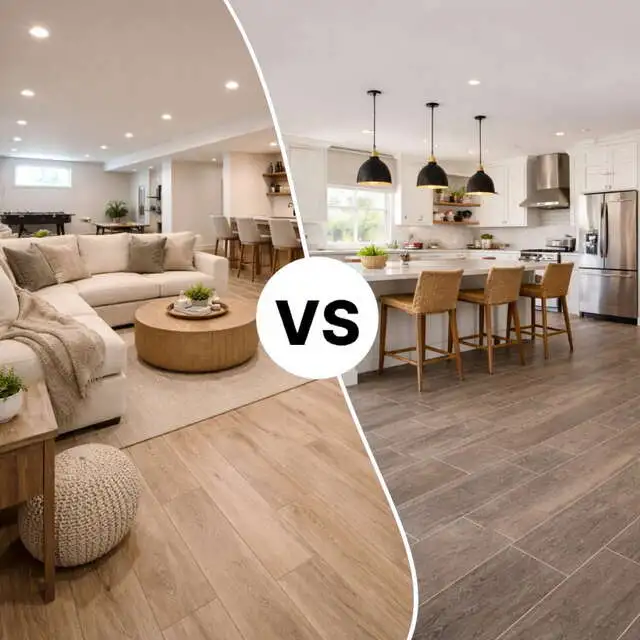
When designing or renovating a home, flooring is one of the most important decisions you’ll make. It sets the tone for every room, affects daily comfort, and plays a major role in long-term value. At our tile store in Houston, TX, we often help homeowners compare two of the most popular options today - Luxury Vinyl Plank (LVP) and wood-look tile. Both offer the beauty of hardwood with added durability, but they perform very differently depending on where you use them.
Understanding where each material shines - and where it doesn’t - can help you create a home that looks great today and holds its value tomorrow.
Living Rooms and Bedrooms:
Comfort vs Longevity
For living rooms and bedrooms, comfort is often the priority. This is where LVP flooring truly stands out. It’s softer underfoot, warmer, and quieter - perfect for spaces where you relax, walk barefoot, or spend long hours.
Wood-look tile can absolutely work here, especially in modern or high-end homes, but it creates a more structured, solid feel. If you’re aiming for a cozy, inviting atmosphere, LVP is usually the better choice. If your goal is a sleek, architectural look that will last for decades, wood-look tile may be worth considering.
Kitchens:
Where Performance Matters Most
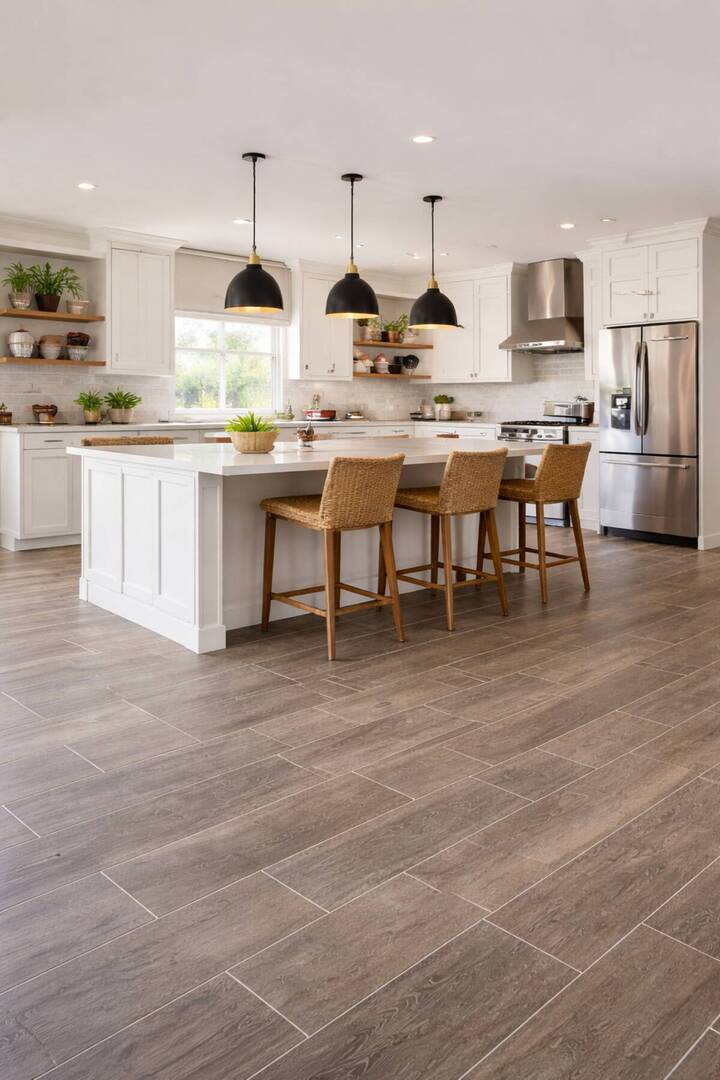
Kitchens are high-traffic, high- moisture areas - spills, heat, and heavy use are part of daily life. While LVP is water-resistant and performs well, wood-look porcelain tile offers superior resistance to heat, scratches, and long-term wear.
If you want a kitchen floor that will look the same in 10–15 years, tile is the stronger option. LVP can still work in kitchens, especially in budget-conscious renovations, but it may show wear faster over time.
Bathrooms and Laundry Rooms: Moisture Changes Everything
In wet areas, material choice becomes critical. Tile is the clear winner in bathrooms, laundry rooms, and any space exposed to consistent moisture. It is fully waterproof and will not warp, swell, or degrade over time.
LVP is water-resistant and can handle occasional spills, but in environments with constant humidity or standing water, tile provides more peace of mind.
Basements: Flexibility vs Stability
Basements can be tricky due to moisture and temperature fluctuations. Both materials can work well, but the choice depends on how the space is used.
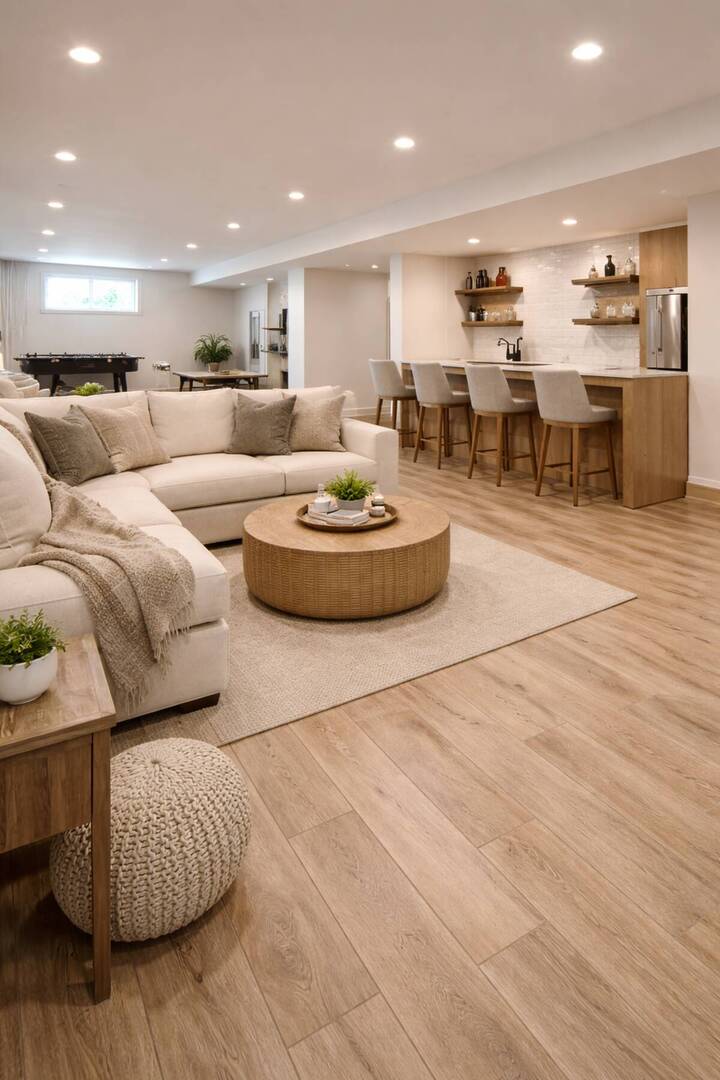
- For a comfortable family room or play area, LVP offers warmth and a softer feel.
- For a finished basement with higher-end design goals, wood-look tile adds durability and a more permanent, upscale appearance.
Outdoor and Indoor-Outdoor Spaces
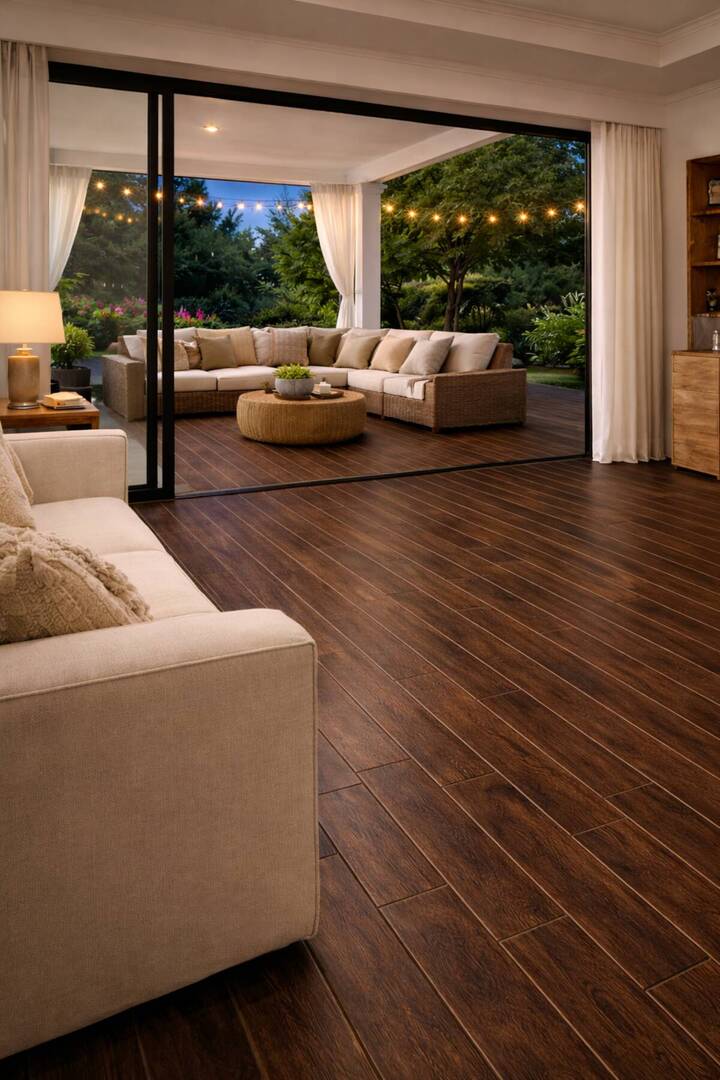
If your design extends to patios, sunrooms, or indoor-outdoor transitions, wood-look porcelain tiles and outdoor pavers are the best options. They perform in all weather conditions and can seamlessly connect interior and exterior spaces.
LVP is strictly for indoor use and should not be exposed to outdoor conditions.
Common Mistakes to Avoid
One of the biggest mistakes homeowners make is using the same flooring everywhere without considering how each space is used. While consistency is important, performance matters more.
Another common issue is choosing LVP in high-moisture or high-impact areas where it may wear faster than expected. On the other hand, some people install tile throughout the entire home and later regret the lack of warmth and comfort in living areas.
Mixing materials without a plan can also disrupt the flow of a home. If you use both LVP and tile, make sure the tones and styles complement each other to maintain a cohesive look.
What Adds More Value to Your Home?
From a real estate perspective, wood-look porcelain tile is often seen as a more premium, long-term material. It signals durability, low maintenance, and quality - features that appeal to buyers.
That said, LVP still adds value when used correctly. In living spaces and bedrooms, it offers comfort and a modern appearance at a lower cost, which can be very attractive in mid-range homes.
The best strategy for maximizing value is not choosing one over the other - it’s using each material in the right place.
Creating a Balanced, High-End Look
The most successful homes today combine both materials thoughtfully:
- Wood-look tile in kitchens, bathrooms, and main walkways
- LVP in bedrooms and living spaces for comfort
- Consistent tones across both materials for a seamless transition
This approach delivers the best of both worlds: durability where you need it, and comfort where you want it.
Bring Your Vision to Life
Choosing between LVP and wood-look tile isn’t just about flooring - it’s about how your home looks, feels, and performs over time. With the right combination, you can create a space that is both beautiful and practical.
At Tile Center, we help homeowners find the perfect balance between style, performance, and budget. Whether you're planning a full renovation or updating a single room, our team can guide you through the best options for your space.
Visit our tile showroom in Houston, TX or contact us today to start designing a home that looks great - and lasts.